
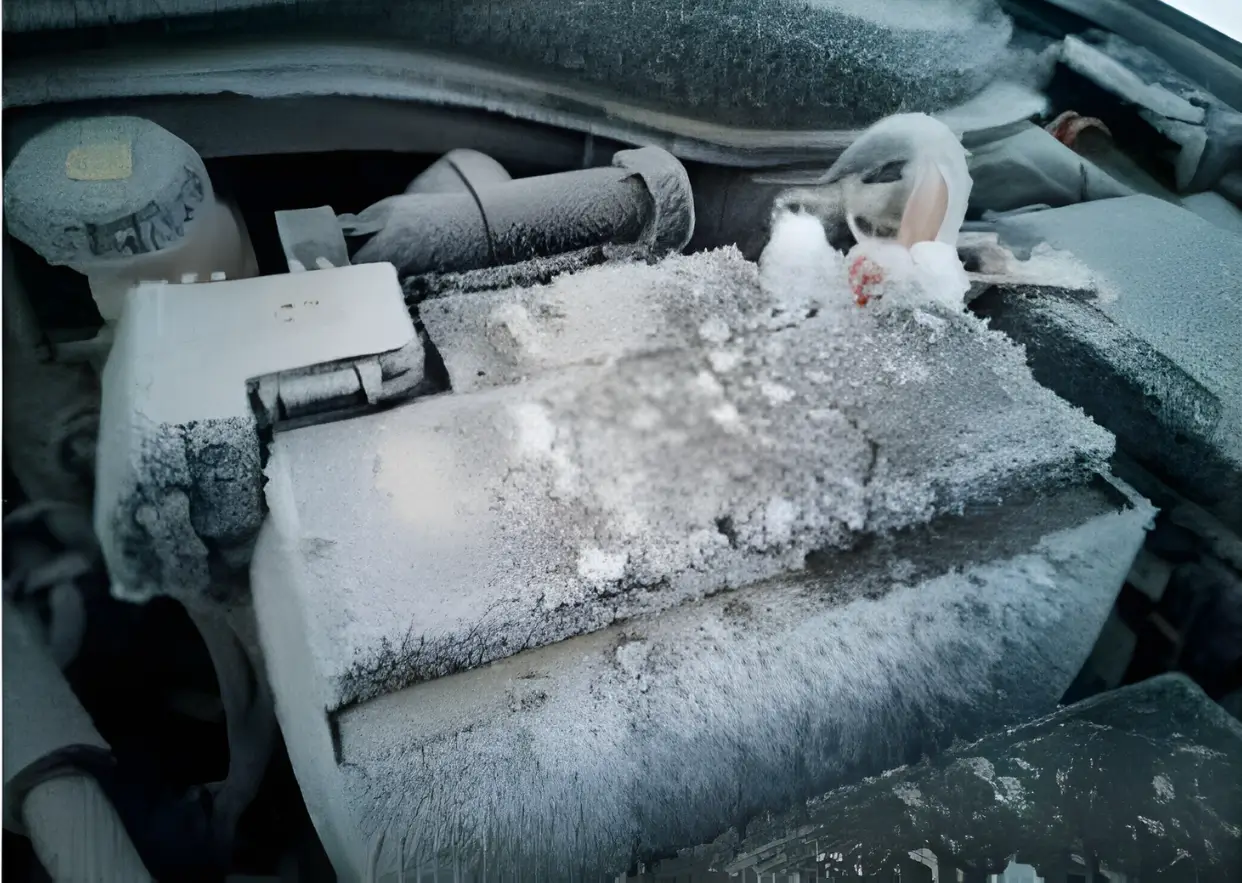
What to Do When You Have a Frozen Car Battery
In Canada’s brutal winter months, anything can freeze, and car batteries aren’t an exception. Yes, a car battery can freeze, and it is always inconvenient. The extreme cold weather is common in Canada and is the number one reason for affecting car batteries. In this blog, we’ll explain the meaning of frozen car battery, the reasons behind it, and what to do in this situation safely.
Can Car Batteries Really Freeze?
Yes, car batteries can freeze, especially lead car batteries, unfortunately. The good news is that a fully charged battery is unlikely to freeze. It would need an exceptionally low temperature, like -57 degrees Celsius, which is not common. On the other hand, a fully discharged battery can reach a freezing point at 0 degrees Celsius. By discharged, we’re referring to a battery of 12 volts or below. The main reason behind frozen car batteries is that when the temperature drops, it slows down the chemical reactions in the battery, which is why the car battery quickly loses its power.
Remember: If your car battery is frozen, avoid handling or jump-starting it until you’re sure it’s safe to thaw.
How Can Car Batteries Freeze?
Inside a car battery, there is an electrolyte mixture of sulfuric acid (25%) and water (75%). The acid of the discharged battery doesn’t mix with the water; instead, it interacts with the lead plates to create electricity, leaving the water to potentially freeze. If you leave your car unused for too long, the car battery may freeze overnight, making it hard or even impossible to start the engine. Additionally, extreme cold temperatures can easily affect weak or damaged batteries because the chemical reactions slow down and the electrolytes don’t move properly. This causes weak batteries to freeze faster than fully charged ones.
Can You Boost A Frozen Car Battery?
Never try to boost a frozen car battery. It could lead to extremely dangerous situations, like the battery exploding, permanent damage to the car, and harm to yourself. Boosting a frozen car battery will cause the ice inside the battery to expand, putting pressure on the battery casing, which may result in an explosion. If you suspect your car battery is frozen and is unable to start the car, take it out and leave it in a warm place to thaw. After it has been out for sufficient time, you can safely try to jump-start it.
Remember: Watch out for signs of a damaged battery, like a cracked case, as they are clear frozen car battery symptoms that signal it may need replacement.
Read More:
- Car Won’t Start in Cold Weather? Here’s Why & How to Fix It
- How to boost A Car Battery in 7 Steps: beginner’s Guide
Can You Charge a Frozen Car Battery?
You also shouldn’t charge your frozen car battery. It is also dangerous and could lead to cracks, leaks, or a battery explosion. When charging the car battery, the water particles may expand, causing physical damage to the battery. Instead, before using any frozen car battery charger, let it thaw completely.
Check if your battery is fully thawed, shows no signs of cracks or leaks, and is somewhat warm. Don’t reconnect the charger immediately if the casing is bulged or cold. Try to use devices that are specially designed for cold climates, such as a smart trickle charger. They automatically adjust the voltage, prevent overcharging, and can slowly bring the battery’s capacity back to life without causing damage.
Avoid these mistakes when charging a frozen car battery:
- Don’t use high-amp jump starters to charge.
- Don’t connect the charger while the battery is still in the car if it’s damp.
- Avoid charging outdoors in freezing temperatures; instead, bring the battery inside or into a warm garage.
What Are the Signs of A Frozen Battery?
Signs of a frozen car battery can show up in different ways. It’s important to watch for any unusual damage that could affect how the battery works. If these symptoms appear and your vehicle doesn’t work today, it’s likely the battery is frozen or suffering from other problems due to extreme cold.
- Physical Damage: It can be in the form of leaking acid that is colored in white or grey, bulging sides, cracked or swollen battery case that makes the battery look unusual or misplaced. Also, check for white residue or frost around terminals and a strong odor or a smell like rotten eggs.
- Electrical Signs: If you see dim headlights or flickering dashboard lights, or what scares people the most, a dead engine, when your car makes a click-click sound and refuses to start. Also, when you see a warning light on the dashboard, this means your car battery may have started to freeze.
- Other Electrical Signs: Power windows move slowly, the radio cuts out, or other electronics stop working properly.
Frozen car batteries and dead car batteries may share the same signs, like dim headlights or inability to start; however, frozen car batteries have visible physical damage than dead batteries, like a bulged or cracked case.
Read More:
What to Avoid When You Have A Frozen Car Battery?
- Avoid jump-starting or charging a frozen battery immediately. This may result in an explosion or damage to the electrical system.
- Avoid using heat sources such as a hair dryer, oven, or open flame to thaw it quickly, so that the battery case does not crack.
- Let the thaw process go naturally on its own in a warm garage without rushing it. That way, the electrolyte mixture and chemical reactions return safely to liquid form without stress on components.
Can A Frozen Battery Be Saved?
You can save your frozen car battery if it’s not damaged by carefully following these steps:
- If you see a leaking fluid, don’t touch it as it is acidic and can cause burns or damage the surrounding parts.
- Use a multimeter to test the voltage. If you see a reading of 12.4V or higher, this means you can still use it.
- Stuck and not sure about what you should do next? It’s better to call a mechanic or roadside assistance. For quick help if you are stuck in freezing weather, contact CDRA for the best roadside assistance in Canada.
What to Do After the Battery Thaws?
Once the battery is thawed, make sure your battery is in good shape and shows no signs of damage. Do not reuse your car battery if you find cracks, bulging sides, leaks, white residue, or corrosion, as freezing can expand the water inside and split the casing and cause harm to your vehicle’s electrical system.
If your battery doesn’t hold a charge even after thawing, consider reaching out for a battery boost service to get your vehicle running safely again.
Become a MemberHow To Keep Your Battery From Freezing
If you live in a place with extremely cold temperatures, you must look for one of these solutions to keep your battery from freezing when winter hits:
- Park the car indoors.
- Use Battery blankets/block heaters.
- Consider AGM batteries instead.
- Keep the battery charged.
- Perform routine maintenance
Park in a Warm Garage or Indoors
The first thing that comes to mind when you have a frozen battery that needs to be warmed is to park the car inside to maintain a stable temperature and prevent the battery from freezing. Even a slight temperature increase can make a big difference in the battery performance. If you can’t find a garage, park the car somewhere away from the wind or use a cover.
Remember that a warmer battery needs less power to start the engine in the morning, so your car starts more easily in cold weather.
Use Battery Blankets or Block Heaters to Keep the Battery Warm
If parking your car inside isn’t enough to keep the battery warm, using a battery blanket or block heater is the next best option. Extending battery life takes effort, but it can be done; keeping it above freezing helps keep the power running smoothly. A battery blanket is an electric wrap that keeps the battery warm and prevents freezing overnight, while a block heater warms the engine and surrounding area, making it easier for the battery to start the vehicle. Both devices are built for extreme temperatures and should be plugged in for a few hours before driving.
Consider Upgrading to AGM Batteries for Cold Weather
If you’d like to go for a long-term, low-maintenance solution, AGM batteries (Absorbent Glass Mat) are the ideal solution. They are built to handle extreme cold better than lead-acid types. What makes them a safe option is that they’re sealed, which means there’s no risk of fluid leaks or corrosion. If you don’t use the car often, AGM batteries hold a battery charge for a longer period. Even though they cost more, they last longer, require less routine maintenance, recharge faster, and resist vibration, which makes them perfect for harsh winter conditions in Canada.
Keep the Battery Charged and Use the Car Regularly
A discharged battery freezes faster because it has a higher water content. Most car batteries lose charge in cold weather when not in use, so make sure to drive your car regularly for at least 10-30 minutes, even once a week. That way, you can save your car battery from freezing because it allows the alternator to fully recharge the battery. If you’re not using the car for extended periods, connect it to a trickle charger to maintain a charge.
Perform Routine Maintenance and Keep the Battery Clean
You can extend your battery life by following a routine maintenance to ensure the battery and charging system stay healthy. A few tips help maintain the performance of your battery, such as:
- Clean terminals with a mixture of baking soda and water to remove corrosion.
- Check engine oil, as thick or dirty oil makes it harder for the engine to start, which drains battery power faster.
- Disconnect the battery or use a battery charger to prevent draining if the car will be stored for winter.
- Battery storage plays a big role in its life span and capacity, as sub-freezing temperatures cause the batteries to drain faster and wear out sooner. Make sure to store the battery in a cool, dry place away from direct sunlight and cold garages or sheds, too.
Even with regular maintenance, cold weather can leave your vehicle stuck; however, CDRA won’t leave you stranded. With the best and fastest battery boost in Edmonton and battery boost in Calgary, we will get you running again.
Read More:
How to Prolong a Battery’s Life in Cold Weather
In Canada, extreme cold is inevitable. That’s why thinking of ways to lengthen your car battery life is normal and achievable. By following these steps, you can improve your battery health in cold weather and extend its life.
- Test the battery before winter to make sure it’s working properly and not weak.
- Drive the car at least once a week, as regular use of the car maintains the charge of the alternator to the battery.
- Use a smart charger if you won’t use the car for a long period to keep the battery charged.
- Turn off the radio, charger, and any other devices that draw power before switching off the engine to help preserve the battery’s charge.
- Check the alternator if the battery quickly loses charge, as sometimes the problem is not in the battery, but in the charging system.
Remember: Try not to let your battery drop too low. When it’s almost empty, it freezes quicker and loses life over time, similar to how phones and other electronics work best when they stay between 20% and 80%.
Read More:
When to Replace Your Car’s Old Battery With a New Car Battery
You’ll need a new battery if you notice flickering lights or a slow engine start. A cracked or swollen battery case means it’s unsafe to use; even if it works for a while after thawing, it can’t be repaired. Try to test your old battery before replacing it, since a weak alternator can drain even a new one. In Canada, most batteries last 3-5 years, but extreme cold or heat can shorten their lifespan.
More About Frozen Car Batteries – FAQs
How To Fix A Frozen Car Battery?
Fixing a frozen car battery doesn’t mean repairing. It’s all about thawing and making sure it still can be safely used. You need to bring the battery to a warm area, let it thaw completely, and inspect the battery to see if there’re any cracks or leaks. You also need to test the voltage and recharge it slowly using a smart or trickle charger if it’s undamaged. Finally, if the car starts normally and the battery holds charge, you’re good. If not, it’s time for a replacement.
Can a Car Battery Freeze Even If It’s Charged?
Yes, a car battery can freeze even if it’s charged, but only when the temperature drops to around −76°F (−60°C). Sulfuric acid stops a fully charged battery from freezing, while a discharged one can freeze near 0°C (32°F).
Remember to always charge your battery to protect it in extreme cold.
Can Engine Oil Affect Your Car Battery in Cold Weather?
When it gets really cold, the oil thickens and makes it harder for the engine to turn over. That extra effort drains the battery quicker. Switching to winter-grade oil and keeping up with oil changes makes cold starts smoother.
How to Protect Your Car Battery from Extreme Cold
Take longer trips regularly, as short drives don’t allow it to fully recharge. If you don’t use your car often, connect a smart or solar trickle charger to maintain power. Turn off accessories before starting and check cables or belts for corrosion to avoid charging issues. This way, you can keep your car battery charged during cold temperatures.
Does Plugging In My Car Keep the Battery From Freezing?
No, plugging in your car doesn’t warm the battery, but heats the engine around it. It still helps in extreme cold because a warm engine makes starting easier. For full protection, use a battery warmer overnight to keep the battery from freezing and ready to start in the morning.
Can a Lithium-Ion Battery Freeze?
Yes, lithium-ion batteries can freeze if temperatures drop below –20°C (–4°F), but it’s rare in normal use. In cold weather, lithium-ion batteries lose power because the chemical reactions inside slow down. Never charge one when it’s frozen; just let it warm to room temperature before using it again.
At What Temperature Does a Car Battery Freeze?
The car battery freezes based on how charged it is. A fully discharged battery can freeze around 32°F (0°C), but a fully charged one won’t freeze until it’s close to –76°F (–60°C). A weak battery freezes faster because it has more water than acid inside.
Is a Frozen Car Battery Ruined?
Most of the time, a frozen car battery can’t be saved. As the water inside turns to ice, it expands and breaks the casing or damages the plates inside. If that happens, don’t rush to jump-start or charge it. Wait until it’s fully thawed, then give it a quick look; cracks or leaks mean you’ll need a new one.
How Long Do Car Batteries Last in Canada?
In Canada, most car batteries last around 3-5 years, but extreme cold weather can decrease the duration to 3 years or less. Several factors affect the battery life, like driving habits, battery type, choosing a high-quality battery, and how well you take care of it.
How Long To Thaw A Frozen Car Battery?
A frozen car battery needs at least 24 hours to 48 hours to thaw completely in a warm room, preferably between 65°F and 70°F. Let the thawing process go naturally. Avoid using an external heat source to warm it faster, like a hair dryer; this may lead to explosions and damage. After it thaws, give the battery a quick check for cracks or leaks before you try to charge it or reinstall it.
Related Roadside Assistance Services
If you’re dealing with a dead, frozen, or non-starting battery, our team can help wherever you are: