
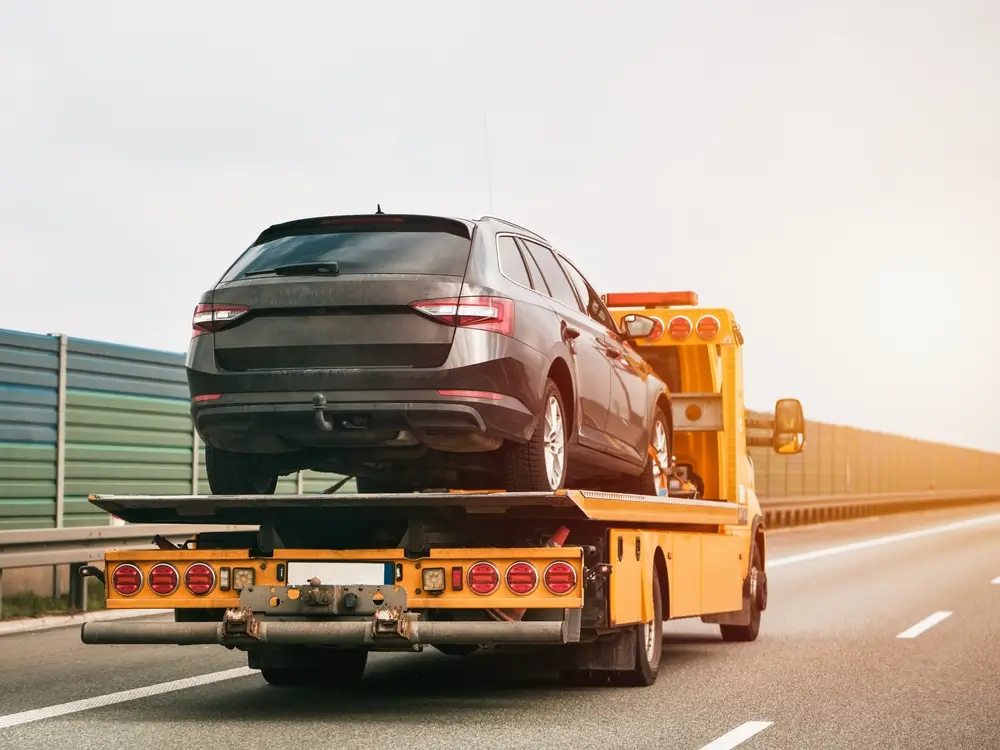
How Much Does a Tow Truck Cost in Canada? (2026 Pricing Guide)
Picture this: you’re on the highway, your engine light flickers on, and then: silence. Your car rolls to a stop on the shoulder. The first thought most Canadian drivers have isn’t “am I safe?” It’s “how much is this going to cost me?”
If you’ve ever wondered how much a tow truck costs, you’re not alone. Towing is one of the most expensive roadside events a driver can face, and without the right information, the bill can catch you completely off guard. A single tow in Canada can run anywhere from $75 to over $400, and that’s before any after-hours surcharges or specialized equipment come into play.
This guide breaks down everything you need to know about tow truck cost in Canada for 2026: what you’ll pay, what drives the price up, how to get a fair tow truck estimate before you agree to anything, and, most importantly, how to make sure you never have to pay full price out of pocket.
How Much Does a Tow Truck Cost in Canada? The Baseline Numbers
Let’s start with the number you actually came here for. The average tow truck cost ranges from $60 to $150 for the first 10 kilometers. Most towing companies charge a base fee, which is sometimes called a hook-up fee, that covers the initial distance, usually 5 to 10 km. After that, most towing companies charge a base fee with a set price per kilometre towed, typically ranging from $2 to $6 per km depending on the province, the towing company, and the type of vehicle being moved.
To put that in real terms:
These numbers give you a starting point, but tow truck prices vary quite a bit across provinces and cities. Let’s look at regional pricing next.
Tow Truck Cost by Province: What Are Towing Rates Across Canada?
Towing costs are not uniform coast to coast. Your location plays a significant role in what towing companies charge, and some provinces have introduced regulations to protect drivers from price gouging.
Ontario
In Ontario, flat-rate towing fees were introduced as a provincial law in January 2017, bringing greater standardization to tow truck rates. In Toronto specifically, the flat towing rate is $250, with an additional $100 for winching services if needed. Outside of Toronto, towing rates in Ontario generally average around $100 to $200 for a standard local tow, with per-km rates of $3 to $5/km for longer distances.
Alberta
Alberta is one of the busier towing markets in Canada, driven in part by its oil and gas industry, harsh winters, and vast stretches of highway between cities. Standard tows in NW Calgary typically cost between $109 and $172, depending on distance, vehicle type, and service type. Most NW Calgary tow companies charge more for after-hours services.
In Edmonton, local tows up to 10 km generally run $85 to $125, with long-distance rates of $3 to $4.50 per km. Flatbed towing in Edmonton typically costs between $120 and $160.
For tow truck cost per km in Alberta, most providers fall in the $2.50 to $5.00/km range for standard vehicles, climbing to $4 to $7.50/km for heavy-duty or specialty tows.
British Columbia
In Vancouver and the Lower Mainland, local tows can cost between $59 and $250, while long-distance tows often run $200 to $350 depending on distance and vehicle size. Rural towing in BC tends to be more expensive due to longer response times and challenging terrain.
A Note on Rural vs. Urban Pricing
Urban areas typically benefit from more competition among towing companies, which helps keep tow truck rates more competitive. In rural or remote areas, fewer operators and longer distances often mean higher prices, sometimes significantly so.
What is the Tow Truck Cost Per Km in Canada?
Distance is usually the largest factor in towing charges, with a base fee plus per-kilometer rates of $2 to $6/km.
Here’s a general breakdown by tow type:
- Standard local tow: Base rate covers the first 5–10 km (usually included in hook-up fee)
- Long-distance tow: $2.50 – $5.00/km after the base distance
- Heavy-duty / specialty tow: $4.00 – $7.50/km
How to Use a Free Towing Estimate Calculator
If you’re looking to use a cost of a tow truck calculator to estimate your bill before calling, a simple formula works: take the base hook-up fee ($75–$150) and add your estimated extra kilometres multiplied by the per-km rate. For example, a 30 km tow in Ontario might look like this: $100 base + 20 additional km × $4/km = $180 total.
A free towing estimate is something you should always ask for before approving any service. Reputable towing companies will provide a quote over the phone before dispatching a driver; if a company refuses to give you a number upfront, that’s a red flag.
What Factors Affect Tow Truck Service Cost?
Several factors influence how much you end up paying for towing services. Understanding them can help you avoid bill shock and ask better questions when you call.
1. Distance
The further your vehicle needs to travel, the higher the bill. Short-distance tows within city limits are significantly cheaper than long-distance tows across provinces or into remote areas. The cost to tow your car will vary depending on how far the nearest repair shop is, which is worth keeping in mind if you’re in an unfamiliar area.
2. Vehicle Type and Weight
A towing company will charge more to tow bigger vehicles like buses, RVs, and commercial trucks. Heavier vehicles require more powerful equipment and incur higher labour costs. The condition of your vehicle can also determine the towing cost, especially if specialty towing services are required. For example, an all-wheel drive vehicle that needs a flatbed to avoid drivetrain damage.
3. Type of Tow Truck
Towing costs can vary based on the type of service required, such as flatbed versus wheel-lift towing. Flatbed tow trucks are typically $20–$40 more expensive than wheel-lift options because of the specialized equipment and added safety they provide. They’re recommended for luxury cars, AWD vehicles, and any car with significant front or undercarriage damage.
4. Time of Day, Day of Week, and Holidays
Towing service often costs more at night and can fluctuate based on holidays. After-hours, winter, and weekend surcharges can increase towing costs by $25 to $100 or more. Towing costs can fluctuate based on whether it’s a holiday or not, so calling during business hours — if the situation allows — can sometimes save you money.
5. Road and Weather Conditions
If your vehicle is off-road, stuck in a ditch, or buried in a snowbank, expect additional winching fees. Towing in winter conditions often requires extra time, equipment, and expertise — all of which add to your final price.
6. Storage Fees
If your vehicle is taken to a tow yard rather than a repair shop or your home, daily storage fees can apply, typically $20 to $50 per day. These fees add up quickly, so always confirm where your vehicle is being taken and arrange pickup as soon as possible.
How Much for a Tow Truck in Alberta Per Hour vs. Per Day?
For standard passenger vehicles, tow trucks in Alberta are rarely billed by the hour. Instead, most companies charge a flat hook-up fee ($75–$125) plus a per-kilometre rate ($2.50–$5.00/km) for travel beyond a short base distance.
Hourly rates are generally reserved for
- Heavy-duty or commercial towing: $150 to $300+ per hour, depending on vehicle size
- Specialized recovery or winching: If a vehicle is stuck in a ditch or requires complex extraction, billing may switch to an hourly rate after an initial period
As for how much for a tow truck in Alberta per day, for standard cars, there isn’t really a “daily rate.” You pay per incident. Most local tows in Alberta for a standard car fall between $75 and $200, while long-distance, heavy-duty, or after-hours situations can push the total much higher.
Why Do You Need a Tow Truck? The Most Common Reasons
Vehicles can break down for several reasons, and not all of them require a full tow. Understanding what happened to your car can help you figure out whether you need towing services or just roadside assistance, which is often faster and cheaper.
Common reasons drivers call a tow truck:
- Dead battery: When your car battery dies, you will need a towing service, or at least a jump start. Many breakdowns that seem tow-worthy can actually be resolved with a battery boost.
- Flat tire: A flat tire doesn’t always mean a tow. Many roadside assistance services can assist with a tire change on the spot.
- Engine overheating: When the engine overheats, you will need a tow truck right away, as driving the vehicle further risks serious engine damage.
- Bad starter: When your starter goes bad, all you can do is call for roadside assistance or a tow; there’s no roadside fix for a failed starter.
- Running out of gas: You’d be surprised how often people run out of gas on the road. Fuel delivery is available through most roadside assistance programs and costs far less than a tow.
- Accidents: Common car accidents can cause a lot of damage to your vehicle, often requiring a tow truck to safely transport the car to a collision repair shop.
Roadside Assistance vs. Towing: What’s the Difference?
Many tow truck companies offer additional roadside assistance services beyond towing. Roadside assistance services can include help with flat tires, dead batteries, and running out of gas, and opting for these when applicable is one of the best ways to keep your bill low.
Using roadside assistance services can help minimize overall towing costs. In fact, roadside assistance services are designed to get you back on the road quickly without the need for a tow at all. If your situation can be resolved on the spot, there’s no reason to pay $100–$250+ for a tow when a $60–$95 roadside service call will do.
Need a reliable roadside assistance service? Call CDRA today!
How to Save Money on Tow Truck Service and Get the Best Rates
Nobody wants to overpay, and with some preparation, you don’t have to. Here are practical ways to get cheap towing prices.
- Check Your Auto Insurance Policy. Many auto insurance policies include roadside assistance or towing coverage. Before you call a tow truck, take 60 seconds to check your policy; you may already be covered.
- Always ask for a Tow Truck Estimate Upfront. The best way to get the cheapest tow truck rate is to never agree to a tow without getting a tow truck estimate first. Ask the dispatcher for the hook-up fee, the per-km rate, and any applicable surcharges before authorizing the service. Transparent towing companies will always provide this.
- Compare Prices From Local Tow Truck Companies. If the situation isn’t an emergency, call two or three tow truck companies for quotes. Competitive pricing is common in urban areas, and a few minutes of comparison can save you $30–$80.
- Ask About Flat-Rate Pricing Some towing companies offer flat-rate pricing for local tows, which can protect you from surprise mileage charges. Asking for this upfront is especially useful for short-distance tows within city limits.
- Avoid Hook-and-Charge Scams Be cautious of unsolicited tow trucks that appear at accident scenes. Always call a company you’ve looked up yourself, check for a company name and licence number on the truck, and never feel pressured to accept a tow on the spot.
- Consider a Roadside Assistance Membership. This is the single most cost-effective thing a Canadian driver can do. A CDRA membership costs a fraction of what a single tow runs, and it covers you for towing, flat tires, dead batteries, fuel delivery, and more. When you compare it against a single out-of-pocket tow bill of $150–$300, the math is clear.
A single tow can cost $250 or more. A CDRA membership costs less. Become a member today →
How Much Is Towing a Month? Understanding Roadside Memberships
A common question is: How much is towing a month? Here’s the honest answer: There is no standard monthly towing fee because towing is an on-demand, per-incident service. You pay when something happens, not regularly.
However, if you’re thinking about monthly costs, what you’re likely looking for is a roadside assistance membership, and that’s where the value becomes very clear.
CDRA and similar programs offer annual memberships that break down to a small monthly equivalent, covering multiple roadside events per year, including towing, battery boosts, lockouts, flat tire assistance, and fuel delivery. When you factor in that a single tow in Canada costs $100–$400+, a membership pays for itself the very first time you use it.
Financial Considerations: Understanding the True Cost of Towing
It becomes a lot easier to understand tow truck service cost when you consider what towing companies actually spend to stay on the road. These aren’t small businesses running on thin margins; they’re operating some of the most expensive commercial equipment in the automotive industry.
The Cost of the Truck Itself
Purchasing a tow truck is a significant capital investment. Here’s what operators are working with in 2026:
- Used unit (older model, 15+ years): Starting around $25,000, though higher repair costs are expected
- New light/medium-duty rollback or wheel-lift truck: $95,000 – $160,000 CAD
- New standard wheel-lift truck: $75,000 – $150,000 CAD
- New flatbed or heavy-duty wrecker: $150,000 – $650,000+ CAD
- New heavy-duty rotator: $250,000 – $650,000+ CAD
- 3–5-year-old heavy-duty truck: $180,000 – $300,000 CAD on average
It’s also worth noting that chassis cabs are commonly purchased separately, followed by installation of towing bodies and hydraulics, adding further to the total cost.
Ongoing Operating Costs
The purchase price is just the beginning. Running a tow truck involves significant annual overhead:
- Insurance: $3,000 – $8,000/year for established operators; $5,000 – $15,000+ for new businesses
- Fuel: $8,000 – $15,000/year per truck, accounting for 15–25% of total operational costs
- Maintenance and repairs: $500 – $2,000/month on average
- Licensing: ~$2,100 in initial fees for a small fleet, with annual renewals around $1,250
- Heavy-duty rig costs (tools, insurance, maintenance combined): $15,000 – $20,000/year
For operators financing a used truck, a down payment of roughly $15,000 is typical, with monthly payments ranging from $850 to $2,400. Financing is often the preferred route to keep initial capital expenditures manageable.
What This Means for You as a Driver
All of this context explains why even competitive pricing in the towing industry results in bills that feel steep. Towing companies aren’t overcharging; they’re recovering real costs. That said, it doesn’t mean you have to absorb those costs out of pocket every time something goes wrong.
A roadside assistance membership through CDRA costs a fraction of what a single tow runs, and covers you for towing, battery boosts, flat tires, fuel delivery, and more. When you compare a $150–$300 tow bill against the annual cost of a membership, the math speaks for itself.
Don’t pay tow truck prices out of pocket. Become a CDRA member today →
Summary: What to Know About Tow Truck Cost in Canada
Understanding how much a tow truck costs before you’re stranded on the side of the road is one of the smartest things a Canadian driver can do. Here’s the quick version:
- Basic tow: $60–$150 for the first 10 km, then $2–$6/km beyond that
- Flatbed tow: $20–$40 more than a standard wheel-lift tow
- After-hours and weekend surcharges can add $25–$100 to any bill.
- Heavy-duty towing (buses, RVs, commercial vehicles) starts at $250 and goes well above $600
- Towing costs vary by province — Ontario has regulated flat rates, Alberta and BC pricing varies by city and distance.
Roadside assistance memberships offer the best long-term value for drivers who want peace of mind without the per-tow bill
Don’t wait until you’re stranded to figure out how much towing costs. Get covered before it happens.
Become a CDRA Member Today — Avoid Paying Out of Pocket →
FAQ: Your Tow Truck Cost Questions, Answered
How much does a tow truck cost for a short distance in Canada?
For a short distance tow (under 10 km), expect to pay between $60 and $150. The average tow truck cost ranges from $60 to $150 for the first 10 kilometres, with additional charges for extra distance.
What is the cheapest way to tow a car?
The cheapest option depends on the situation. If the car can be driven, driving it yourself is free. If it can’t, a roadside assistance membership is the most affordable long-term strategy — covering tows and other services for far less than paying per incident. For cheap towing without a membership, calling multiple tow truck companies for quotes and choosing a local provider over a national chain often yields a better price.
What is the tow truck cost per km in Canada?
Distance is usually the largest factor in towing charges, with a base fee plus per-kilometer rates of $2 to $6/km. For heavy-duty vehicles or specialty tows, rates can be higher.
Are there hidden fees I should watch out for?
Yes. Common additions to watch for include after-hours surcharges ($25–$100), winching fees ($50–$150), and storage fees if your vehicle goes to a tow yard ($20–$50/day). Always ask for a complete tow truck estimate before approving the service and request transparent pricing in writing or via text.
Does auto insurance cover towing?
It depends on your policy. Many auto insurance plans include optional roadside assistance coverage that can cover towing partially or fully. Check your policy documents or call your insurer before calling a towing company.
Is flatbed towing more expensive?
Yes. Flatbed towing usually costs $20–$40 more due to specialized equipment and safety. However, it’s often the right choice for AWD vehicles, luxury cars, or vehicles with serious damage, as it prevents additional wear during transport.
What’s the difference between cheap towing and the cheapest towing truck?
Cheap towing usually refers to getting the lowest per-incident rate from a reputable company. The cheapest towing truck option might be a private or independent operator with lower overhead, but always verify they’re licensed and insured before agreeing to service.
What is the 80/20 rule for towing?
The 80/20 rule recommends never towing more than 80% of your vehicle’s maximum rated towing capacity. So if your vehicle is rated for 5,000 lbs, keep your actual load at or below 4,000 lbs. That 20% buffer gives you a safer margin for braking, handling, and climbing in challenging conditions, and reduces long-term strain on your drivetrain and suspension.
What is a safe towing percentage?
A safe towing percentage is generally 80% or less of your vehicle’s published towing capacity. Real-world conditions like wind, hills, and sudden braking are rarely as controlled as manufacturer testing environments, so the buffer matters. Also keep payload in mind; the weight of passengers, cargo, and tongue weight all count toward your limits, not just the trailer itself.
What is the maximum distance when towing a vehicle?
There’s no universal legal maximum towing distance in Canada. However, the maximum physical distance allowed between the rear of the towing vehicle and the front of the vehicle being towed is 4 metres. For anything beyond a local tow, a professional flatbed towing service is the safer and more practical option.
Are SUVs better for towing?
They can be, but it depends on the SUV. Full-size models like the Ford Expedition or Jeep Grand Wagoneer can handle 9,000–10,000 lbs, while a compact crossover may only be rated for 1,500 lbs. Always go by the vehicle’s actual towing rating rather than its size, and look for a factory tow package if you plan to tow regularly.
What are the risks of towing a car?
The main risks include equipment failure (detached trailers, brake failure, blown tires), overloading beyond your vehicle’s rated capacity, trailer sway at highway speeds, longer braking distances, and drivetrain damage to the towed vehicle if the wrong tow method is used. Using the right equipment, loading correctly, and staying within your vehicle’s limits eliminates most of these risks.