
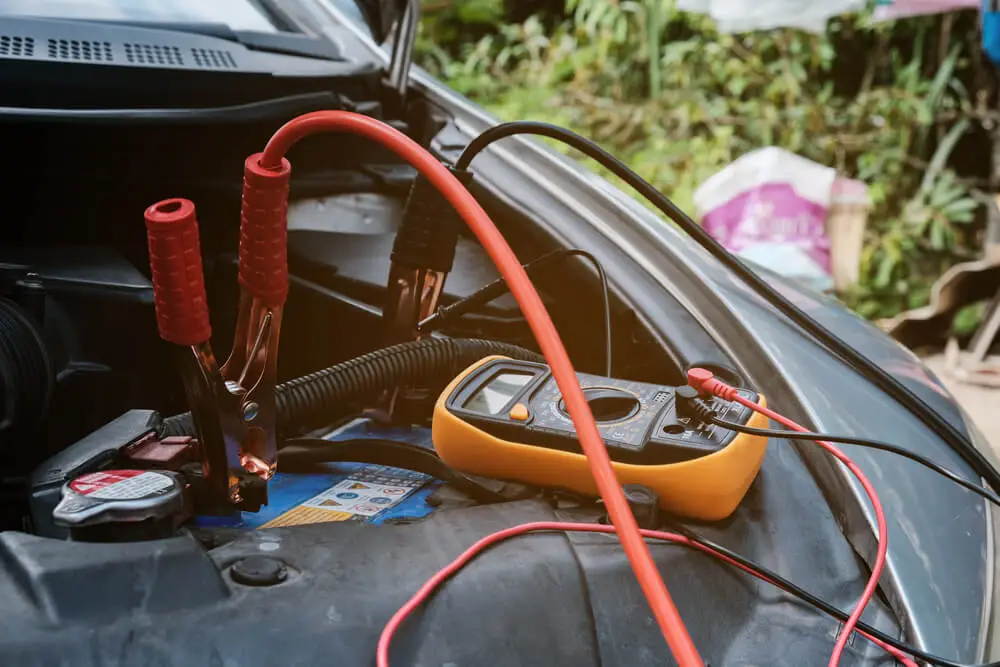
Jump Start Car Service Cost in Canada: CAA vs AMA vs CDRA Compared
Your car battery picked the worst possible moment to die. Maybe you are in a parking lot after work, or stranded on a cold morning when temperatures have dropped overnight. Whatever the situation, knowing what a mobile jump start car service costs looks like before you actually need one can save you stress, time, and a lot of money.
In Canada, professional jump start services vary widely by region, time of day, and whether you have a roadside assistance membership. This guide breaks down everything Canadian car owners need to know about battery boost service costs, how major providers compare, and why a CDRA membership may be the smartest move you can make this year.
How Much Does a Jump Start Car Service Cost in Canada?
Jump start services typically cost between $30 and $200, depending on several factors like your location, the time of day, and the type of service provider you call. A professional car jump start service in North America costs between $50 and $125 on average, though prices can climb higher during emergencies.
Here is a breakdown of what you can expect to pay:
| Service Type | Typical Cost (CAD) |
|---|---|
| Battery Boost (Standard) | $50 to $100 |
| Emergency After-Hours Boost | $75 to $150+ |
| Highway or Remote Service Call | $100 to $200+ |
| Roadside Membership Service | Often Included |
Towing companies charge between $50 and $120+ for jump starts, particularly after hours. Without a membership, an on-demand call for a jump start costs between $30 and $120. As you can see, a single battery boost can easily cost more than an entire year of roadside membership coverage.
One battery boost costs more than an annual membership. Join CDRA today and get covered 24/7.
What Affects the Cost of a Car Battery Boost?
Prices for jump-start services can vary significantly based on location and time of day. Before you call anyone, it helps to understand what drives the final bill.
- Location: Location affects jump-start service costs significantly. Urban areas tend to have more competition, keeping prices lower. Service prices can be higher for locations that are remote or require extra travel distance.
- Weather: Cold weather increases demand for jump-start services, raising prices. Severe weather can increase demand for roadside assistance services, creating surcharges during peak winter months.
- Time of day: Time of day influences jump-start pricing, especially after hours. Emergency jump-starts at night may incur extra charges.
- Emergency dispatch fees: Emergency services during peak hours may cost more. Some dispatchers add a flat call-out fee on top of the service rate.
- Distance traveled: Service prices can be higher for locations that are remote or require extra travel distance.
- Vehicle type: Larger vehicles typically incur higher jump-start service fees. Trucks, SUVs, and diesel engines often require more powerful equipment.
What Is the Best Battery Boost Service Near Me?
Finding the right service depends on how fast you need help and what you are willing to pay. Most providers arrive within 30-60 minutes for a jump start, though that window can stretch during peak demand periods.
AMA vs CAA Battery Boost: How Do They Compare?
If you are in Alberta, you have likely considered both AMA (Alberta Motor Association) and CAA (Canadian Automobile Association). Both offer battery boost service as part of their memberships, but there are important differences in local coverage and wait times.
CDRA is a third option that is worth a serious look, especially if you want a locally focused membership with priority dispatch.
| Feature | CAA | AMA | CDRA |
|---|---|---|---|
| Battery Boost Included | Yes | Yes | Yes |
| 24/7 Service | Yes | Yes | Yes |
| Priority Service for Members | Yes | Yes | Yes |
| Local Dispatch Network | Varies | Varies | Strong Local Focus |
| Wait Times During Peak Demand | Can Vary | Can Vary | Fast Local Dispatch |
| Membership Value | Good | Good | Competitive |
When comparing local roadside providers, focus on responsiveness, member priority, and personalized service rather than just the price. AMA Battery Boost is free with an active AMA membership, though non-members or members requesting help for pre-existing issues may face an immediate use fee of around $60. CAA operates similarly.
How long does the AMA Battery Boost Wait Time Usually Run?
Battery boost wait time for AMA can vary depending on the season, time of day, and how many members are requesting service simultaneously. During major cold snaps or peak winter periods, roadside assistance response time can stretch well beyond the typical window.
Factors that affect how quickly a technician reaches you include traffic congestion, weather conditions, service demand in your area, and the distance from the nearest dispatch location.
CDRA uses a local dispatch network designed to reduce that wait, giving priority service for members during the busiest periods.
What Is the AMA Battery Boost Price for Non-Members?
An AMA battery boost is free if you have an active AMA membership. Non-members may be charged an immediate use fee of around $60, plus a joining fee if they want to sign up on the spot. If your car battery cannot be jumped and needs replacing, expect additional charges depending on vehicle type and battery size.
For context, average jump-start fees range from $65 to $120. That is a significant jump-start cost for a one-time call when you could have had full membership benefits for a comparable annual fee.
Need help today? Join CDRA in minutes and get priority roadside support right away.
Where Can You Find the Cheapest Battery Boost Service Near You?
If you are searching for the cheapest battery boost service near you, here are your realistic options as a Canadian driver:
- Local taxi dispatch: Local taxi companies often provide affordable jump-start options, sometimes starting as low as $15 to $30 in major urban centres. However, quality and equipment can vary.
- Independent towing companies: Towing companies in Calgary and Edmonton generally range from $30 to $130 for a standard car battery boost, with many starting their base fees around $30 to $65.
- Roadside membership plans: Roadside assistance memberships often cover jump-start services entirely, making them the most cost-effective option when you factor in annual use. For example, the cost of the CDRA membership, which provides up to 4 service calls per year, starts at $99 up to $118.
The smart move for most car owners is to plan with a membership rather than waiting until your dead car battery forces a last-minute call at a premium rate.
Is There a 24-Hour Battery Boost Service Near Me?
Yes. CDRA offers 24-hour battery boost service across its service area, so you are covered whether your car troubles happen at 2 in the afternoon or 2 in the morning. CDRA members receive battery boost service, towing benefits, and priority roadside support, all under one membership plan.
When your car battery dies at an inconvenient hour, having a reliable service on call means no scrambling through unknown providers, no surprise service fees, and no waiting in the dark for a tow truck that may or may not show up.
Is It Cheaper to Pay for a Jump Start or Get Roadside Assistance?
Let’s do a quick comparison of what your car running costs look like with and without a roadside service membership:
| Scenario | Typical Cost (CAD) |
|---|---|
| Battery boost (pay-per-use) | $50 to $100+ |
| Tow truck call | $150 to $250+ |
| Lockout service | $75 to $125+ |
| Fuel delivery | $50 to $80+ |
| Total without membership | $325 to $555+ per incident |
| CDRA annual membership | $99 to $118 Battery boost + towing + lockout + fuel delivery included |
The numbers make the case clearly. Paying for a single battery boost can cost nearly as much as a full roadside assistance membership. CDRA members receive battery boost service, towing benefits, and priority roadside support, meaning one incident can more than pay for the entire year.
Why Battery Problems Are More Common in Canadian Winters
Canadian cold weather is genuinely hard on car batteries. Extreme temperatures can affect battery performance and starting ability, and this is not just a minor inconvenience. Here is why Canadian winters drive up demand for jump-start service:
- Cold temperatures: A battery can lose 20 to 50 percent of its power when temperatures drop below -10 degrees Celsius.
- Battery capacity loss: Old batteries and weak batteries that perform adequately in summer may fail in January.
- Short trips: Leaving lights on, combined with frequent short-distance city driving, prevents your battery from fully recharging between uses.
- Aging batteries: Most car batteries last about 3 to 5 years before needing replacement. A battery nearing the end of its life is far more likely to fail on a cold morning.
CDRA is built for Canadian drivers and offers reliable service year-round, including during the frigid stretches when battery issues are most common.
Our Battery Boost Services include these areas:
How Long Does It Take for Battery Boost Service to Arrive?
Professional battery boost services arrive within 30-60 minutes in most urban and suburban areas. However, battery boost wait time is not always that predictable. Roadside assistance response time is affected by several real-world variables:
- Traffic conditions in your city or area
- Weather, since blizzards and ice storms slow technicians down
- Service demand, which spikes during cold snaps and major storms
- Your distance from the nearest dispatch location
CDRA’s local dispatch network is designed to get members help faster. Priority service for members means that when demand is high, your call moves to the front of the queue. This is one of the most practical advantages of membership over calling an unknown towing company and hoping for a fast response.
When a Battery Boost Won’t Solve the Problem
A jump start provides a temporary charge to a dead battery. It is a quick fix when the issue is simply a drained battery, like when you left your lights on. But sometimes the problem runs deeper. A car battery boost will not help if:
- Your battery is old: A battery boost can prevent long-term damage to your vehicle, but if your old battery is genuinely failing, a new battery is the only real solution.
- The alternator is failing: The alternator charges your battery while you drive. If it is failing, your battery will keep dying regardless of how many boosts you get.
- Starter failure: If you hear a single loud click rather than the usual rapid clicking, the starter motor may be the issue rather than the battery.
- Corroded terminals: Severe corrosion on the positive terminal and other connection points can prevent a boost from working properly.
When a battery boost is not enough, CDRA can help coordinate additional services like towing to a repair shop, getting you back on the road, or safely to a mechanic without added stress.
Why Roadside Assistance Memberships Save Money
The math consistently favours membership for any driver who uses their vehicle regularly. Here is a simple comparison:
| Without Membership | With CDRA Membership |
|---|---|
| Battery boost: $80 | Battery boost: Included |
| Tow truck: $150+ | Towing benefits: Included |
| Lockout service: $75+ | Lockout assistance: Included |
| Fuel delivery: $50+ | Fuel delivery: Included |
| No priority dispatch | Priority service for members |
Without membership, a single evening’s car troubles can run $300 or more before taxes. A CDRA membership covers all of these scenarios, plus gives you peace of mind that skilled professionals are available anytime you need a boost or any other roadside service.
Paying for a single battery boost can cost nearly as much as an annual membership. CDRA members receive battery boost service, towing benefits, and priority roadside support. Join today.
Why Drivers Choose CDRA for Battery Boost Services
CDRA is more than just a jump-start service. It is a full roadside assistance membership built around the needs of Canadian drivers. Here is what sets CDRA apart from other service providers:
- Fast Local Support: CDRA’s local dispatch network means your call goes to technicians who know your area, not a distant call centre routing requests across a massive territory.
- Priority Service for Members: Members receive assistance faster during busy periods. When half of Calgary is calling for a battery boost on the same cold morning, CDRA members move to the front.
- More Than Just Battery Boosts: Membership covers multiple roadside emergencies, including towing, lockout assistance, fuel delivery, and more. One plan handles it all.
- Reliable 24/7 Assistance: CDRA provides support when drivers need it most. Professional technicians are dispatched around the clock, 365 days a year.
- Top-Notch Service Without Hidden Fees: CDRA’s membership pricing is straightforward. No hidden fees, no surprise charges, no ambiguous rate schedules depending on time of day.
Why You Should Call a Professional for a Jump Start
While it is tempting to ask a friend for help, using the wrong jumper cables or connecting them improperly can damage your car’s electrical system. Calling a professional car jump start service ensures you get the right tools and skilled professionals who know exactly what they are doing. Here is what you get with a professional battery boost service:
- Safe and correct connection of jumper cables, protecting your car’s electronics
- No risk to your vehicle’s battery or alternator from voltage spikes
- Quick response time, especially in bad weather when conditions make DIY attempts more dangerous
- Experienced professional technicians available 24/7, ready to get you back on the road
- The ability to identify underlying battery issues beyond the immediate dead battery, so you are not caught off guard again
Professional services use high-quality equipment and special tools for better results. When your car battery dies in a difficult situation, having top-notch service dispatched to you is far less stressful than managing cables in a dark parking lot in January.
How to Recognize a Dead Battery vs. Other Issues
How do you know it is just a dead battery?
- A clicking sound when turning the key indicates a dead battery.
- Your lights might be dim, or nothing happens at all.
- Dim dashboard lights can signal a weak battery needing a boost.
These are common signs that your car battery is the culprit. But sometimes a bad starter or alternator can cause similar issues, so it helps to know the difference before you call a service provider.
A jump start is a good quick fix for a battery that ran down by mistake, like if you left your lights on. Keep in mind, a jump start is only a temporary solution if your battery is old or truly faulty. It gives your vehicle power to start, but the problem might return. Leaving lights on can drain the battery and require a boost, which is worth remembering the next time you park in a hurry.
What are Safety Precautions for DIY Jump Starts
Jumping a car yourself might seem straightforward, but doing it wrong can cause electrical shorts, battery damage, or even a battery explosion in extreme cases.
- Always connect cables in the correct order: positive terminal to positive first, then negative to a grounded metal surface on the dead vehicle, never directly to the dead battery’s negative terminal.
- Make sure both vehicles are turned off before connecting, and keep the cables clear of any moving parts under the hood.
- Modern cars have complex electrical systems that are sensitive to voltage spikes, so if you are unsure about any step, calling a professional battery boost service is the safer choice. One wrong connection can turn a $70 service call into a costly electronics repair.
What are the Tips for Saving Money on Jump Starts
Nobody wants to pay top dollar for a car battery boost they could have avoided with a little preparation. Here are practical ways to keep your jump-start cost low and your car running smoothly year-round:
- Join a roadside assistance membership: Roadside assistance memberships often cover jump-start services entirely. One annual fee replaces per-call service fees for boosts, towing, lockouts, and more.
- Get your battery tested every fall: Have your battery tested before winter hits. Most auto parts stores do this for free. Catching a weak battery early means replacing it on your schedule, not in a parking lot at midnight.
- Avoid frequent short trips: Short city drives do not give your alternator enough time to fully recharge your vehicle’s battery. Where possible, combine errands or take longer drives periodically to keep the battery topped up.
- Keep terminals clean: Corrosion on the positive terminal and negative terminal reduces your battery’s efficiency. A simple cleaning every few months with baking soda and water can add months of life to an aging battery.
- Know when to replace, not just boost: Most car batteries last about 3 to 5 years. If you are repeatedly calling for a battery boost service, investing in a new battery will save money over time compared to ongoing service fees.
- Compare providers before you need one: Reading reviews and comparing local roadside providers before an emergency means you are not making panicked decisions when your car battery dies. Knowing your options is a smart move.
Stop paying per boost. CDRA membership covers battery boosts, towing, lockouts, and more for one annual fee.
What is The Long-Term Solution: Battery Maintenance and Replacement
A car battery boost gets you moving again, but battery maintenance is what keeps you from needing one repeatedly. Extreme temperatures can affect battery performance and starting ability, which is why Canadian drivers especially need to stay on top of their battery health. Here is how to prevent future problems before they strand you:
- Schedule annual battery checks: Have a professional technician inspect your battery each fall. They can test charge capacity and flag early signs of failure before winter sets in.
- Watch for warning signs: Slow engine cranking, dim headlights, and a battery warning light on your dashboard are all signals that your car battery is on its way out. Acting on these signs early prevents a breakdown.
- Replace proactively at 4 to 5 years: Do not wait for a full failure. If your battery is approaching the end of its typical lifespan, replacing it before problems start is the smarter, cheaper approach.
- Keep your vehicle active: Long periods without driving allow batteries to discharge slowly. If you store a vehicle over winter or travel frequently, consider a battery tender to maintain the charge.
When a battery reaches the end of its life, no amount of jump-starts will keep it reliable. That is the point where a new battery is the only real answer, and CDRA can help coordinate additional services like towing to a shop if your car battery dies before you can get it replaced.
CDRA members get battery boosts, towing, and more under one membership. Join today and never face car troubles alone.
What Are Signs You Need a Battery Boost Service
Your car sends out signals when something is wrong with the battery. Spotting these signs early can prevent breakdowns and expensive repairs. Knowing when to get jump-start help is key to keeping your car running well, and cars usually show clear signs when the battery needs attention.
- Critical Warning Indicators from Your Vehicle
- Slow engine cranking or difficulty starting
- Dim headlights and interior dashboard lights
- A clicking sound when turning the ignition, which indicates a dead battery
- Battery warning light illuminated on the dashboard
- Swollen or bloated battery case
- Leaving lights on can drain the battery and require a boost
- Difficulty starting after the car has been sitting in cold weather overnight
If you notice any of these warning signs, do not ignore them. A professional battery boost service can get you back on the road quickly, and a CDRA technician can also assess whether a new battery or further inspection is needed to prevent future problems. Getting ahead of battery issues before they become a full breakdown is always the smart move for Canadian car owners.
Jump Start Car Service Cost in Canada: Summary
Jump-start car service costs in Canada range from $30 for basic local providers to $200 or more for remote or after-hours emergency calls. Cold weather, vehicle type, distance, and time of day all affect what you pay. For drivers who want reliable, priority service without unpredictable per-call charges, a CDRA membership covers battery boost service, towing, lockout assistance, and more under one predictable annual plan.
Whether your dead battery catches you off guard in a parking lot or on a highway in January, CDRA’s local dispatch network and 24/7 coverage mean you are never left figuring it out alone. Smart choices start before your car battery dies.
Ready to stop paying per-boost? Join CDRA today and drive with confidence all year long. Get your car running smoothly in no time.
Frequently Asked Questions About Jump Start Car Service Cost
How often should I replace my car battery?
Most car batteries last about 3 to 5 years before needing replacement. How often you drive, the weather conditions you regularly face, and how well you stay on top of battery maintenance all affect that timeline. Canadian drivers dealing with extreme cold weather may find their batteries wear out closer to the 3-year mark. Getting your battery tested each fall is the best way to know where yours stands before winter hits.
Can a battery boost damage my car’s electrical system?
A battery boost done correctly by professional technicians will not harm your car’s electrical system. The risk comes from DIY attempts where jumper cables are connected in the wrong order or with incompatible equipment. Modern vehicles have sensitive electronics, so a voltage spike from an improper connection can cause serious electrical issues. That is why calling a professional battery boost service is always the safer choice for your vehicle.
Can a fully dead battery be jump-started?
Yes, in most cases, you can jump-start a fully dead battery using jumper cables connected to a donor car or a portable jump starter. The key is having the right setup:
- Park the donor vehicle close enough for the cables to reach without the two vehicles touching,
- Turn off the ignition and accessories in both, and connect cables in the correct order: positive terminal to positive first, then negative to a grounded metal surface on the dead vehicle.
- If the battery is severely discharged or damaged, however, a professional car jump-start service with a heavy-duty pack will have better results than a standard cable boost.
Does revving a car help jump-start?
Yes, gently revving the donor car does help when jump-starting a dead battery. Holding the donor engine at a fast idle, around 1,500 to 2,000 RPM, causes the alternator to spin faster and produce more electricity. This sends a stronger, more stable charge to the dead battery and reduces the strain on the donor vehicle’s battery and the car’s electrical system. The keyword is gently. Hard revving is unnecessary and can stress both vehicles.
How long does a dead battery last after a jump start?
A jump start provides a temporary charge to get the engine running. How long it lasts depends entirely on the health of your battery and alternator, ranging from a few minutes to several years. If your car battery died simply because you left the headlights on and it is otherwise in good condition, driving for 30 to 45 minutes at highway speeds should fully recharge it.
You should keep the engine running for at least 15 to 30 minutes after a boost. If the battery is old or the alternator is failing, the car may die again almost immediately, which is a sign you need a new battery or further diagnosis rather than another jump-start service.
How do I tell if my alternator is killing my battery?
Signs to watch for include: your car starts after a jump-start but dies again within minutes of driving; your dashboard warning light for the battery stays on while the engine is running; headlights dim noticeably while idling; or you notice a burning smell from under the hood. If you suspect alternator trouble, get your vehicle to a mechanic before the issue leaves you stranded.
CDRA can arrange a towing service if your car cannot safely make it there on its own.
What are the 7 steps to safely jump-start your car?
1. Position the donor vehicle so the two cars are close but not touching.
2. Turn off the ignition and all accessories in both vehicles.
3. Connect the red cable to the positive terminal of the dead battery.
4. Connect the other red end to the positive terminal of the donor battery.
5. Connect the black cable to the negative terminal of the donor battery.
6. Connect the other black end to an unpainted metal surface on the dead vehicle, away from the battery.
7. Start the donor vehicle, wait a few minutes, then attempt to start the dead car battery vehicle. If unsure at any point, stop and call a professional jump-start service instead.
Is a 10-minute drive enough to charge the battery?
Generally, no. A 10-minute city drive is unlikely to fully recharge a dead battery because alternators recharge most efficiently at higher RPMs over sustained periods. A short trip with frequent stops, lights, and accessories running may draw as much power as the alternator returns. After a battery boost, aim for at least 30 minutes of highway or open-road driving to give your car battery the best chance of a full recharge. If your battery keeps failing after longer drives, it likely needs replacing.
What mimics a dead battery?
Several issues can produce symptoms that look like a dead car battery but are caused by something else entirely.
- A failing starter motor causes a single loud click or no response at all when you turn the key, similar to a fully discharged battery.
- Corroded or loose battery terminals can prevent power from reaching the starter even when the battery is charged.
- A faulty ignition switch or blown fuse can also mimic battery issues.
If a battery boost does not work or the car dies immediately after, one of these underlying electrical issues may be the real cause, and a diagnosis from professional technicians is the right next step.
What is the 30-90 rule for batteries?
The 30-90 rule is a general guideline used in battery maintenance: if your car battery voltage reads below 12.0 volts after sitting for 30 minutes (surface charge dissipated), it is considered discharged and needs charging. If it reads below 12.4 volts after 90 minutes of rest, it is in a partial state of discharge and should be monitored. While this rule is more commonly used by technicians with a voltmeter than by everyday car owners, it illustrates why having your battery tested regularly matters, especially before cold weather season, when a weak battery is most likely to fail.
Does CAA offer battery boost service?
Yes. CAA (Canadian Automobile Association) includes battery boost service as part of its roadside assistance membership. Service is dispatched through CAA’s regional network across Canada and is available 24/7. Coverage details and wait times can vary by region.
Does AMA provide battery boosting?
Yes. AMA (Alberta Motor Association) provides battery boost service to active members as part of their roadside assistance plan. Non-members or members requesting help for pre-existing conditions may face an immediate use fee of around $60. If your car battery cannot be boosted and needs replacing, additional charges apply depending on vehicle type and battery size.
Is a battery boost included with roadside assistance?
In most cases, yes. Roadside assistance memberships, including CDRA, typically include battery boost service at no extra charge. This is one of the clearest financial arguments for membership: instead of paying $50 to $120 per call, a single annual fee covers battery boost, towing, lockout, and more. One incident can more than pay for the entire year.
How long does a battery boost take?
A battery boost typically takes 15 to 30 minutes to complete once the technician arrives. Professional battery boost services arrive within 30 to 60 minutes in most urban and suburban areas, though battery boost wait time can increase during winter storms or peak demand periods. CDRA members benefit from priority dispatch, which reduces the wait when service is needed and volumes are high.
What if my car won’t start after a jump start?
If your car troubles continue after a car battery jump, the problem likely goes deeper than a drained battery. A failing alternator, damaged starter motor, severely degraded old battery, or corroded terminals could all be responsible. At that point, the right service is a towing service to a repair shop for a proper diagnosis rather than repeated boost attempts. CDRA members have towing benefits included, so getting your vehicle to a mechanic is covered without a separate call or extra service fees.
Do roadside assistance members get priority service?
Yes. CDRA members receive priority dispatch, meaning faster response time during high-demand periods like winter storms and busy morning commutes. When call volumes spike and many services are being requested simultaneously, CDRA members are moved to the front of the dispatch queue. This is one of the most practical benefits of membership over calling an on-demand towing service or independent provider and hoping for a fast arrival.
How long does a battery boost take?
A battery boost typically takes 15-30 minutes to complete once the technician arrives. You should keep the engine running for 15-30 minutes after a boost to allow the alternator to recharge the vehicle’s battery properly.
Is roadside assistance cheaper than paying for a battery boost?
For most drivers, yes. Jump-start services typically cost between $30 and $200 per call. A CDRA membership covers battery boost service, towing, lockout assistance, and more for a single annual fee, meaning one or two incidents per year typically save money compared to paying each time.
How can I prevent needing frequent battery boosts?
Battery maintenance goes a long way. Keep battery terminals clean, avoid frequent short trips that prevent a full recharge, and have your battery tested each fall before winter arrives. Most car batteries last about 3 to 5 years. If yours is approaching that mark, replacing it proactively is far less stressful than a breakdown in January.