
When to Plug in Block Heater: Your Guide to Surviving Canadian Winters
On a freezing day in Canada, you park your car in -10°C. You get inside your house, worried about how frozen your car would get. We get you! The Canadian winter can be rough on both you and your car. So, is there a solution? Well, the answer is a block heater that warms your car even before startup. In this blog, you will learn about the benefits of the block heater for your car, when to plug it in, what to avoid, and more.
And if winter ever leaves you stranded, remember that having the best roadside assistance in Canada can be just as important as plugging in a block heater.
What Is a Block Heater and What Does It Do?
A block heater is an electrical device that attaches to the car engine to warm it before starting up in extreme cold weather. When the engine starts, the oil passes through the engine block, lubricating the moving parts. When the temperature drops below freezing, the oil in your engine thickens and doesn’t move around as smoothly. That means the engine has to work harder every time you start it, which is why a block heater is so useful in winter.
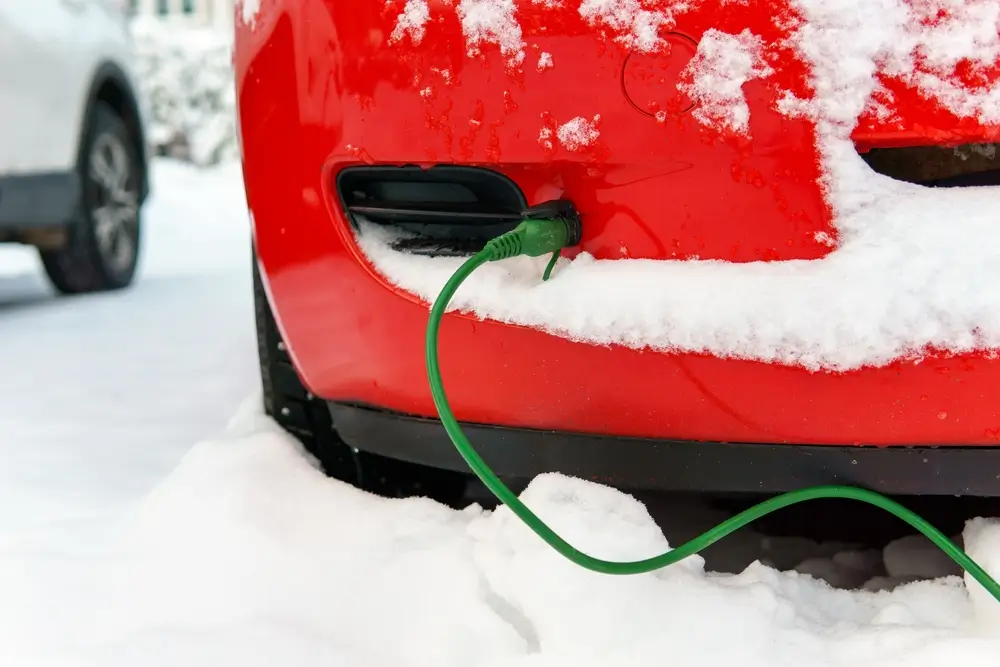
Most of the time, you’ll find the block heater cord in the front grille. If it isn’t there, just check under the hood; it’s often tucked inside. You plug this cord into an extension cord and then into a regular electrical outlet. However, the block heater cord can be hard to find because newer cars now include a safety cap over the plug.
If you still can’t find the plug, it’s usually because factories no longer install the block heaters in newer car models. You may need to buy a new one separately.
What Temperature Should You Plug Your Car In?
The block heater temperature guideline is simple: if the temperature drops to a certain point, it’s time to plug in your car so the engine can reach operating temperature and prevent the oil from thickening.
If the temperature drops to –5°C, it is recommended to plug in your car, depending on the vehicle type. If it drops to –10°C, it’s advised to plug in your car. In extreme cold temperatures, –25°C or less, it’s necessary to use a block heater because the engine fluids thicken. You should plug in your car hours before startup.
Extreme cold temperatures cause the engine fluids to thicken, and the oil pan takes longer to warm up, making the engine harder to crank. The vehicle needs heat to reach the operating temperature. The block heater reduces fuel consumption during the first few minutes after you start your car.
Some drivers also rely on local guidance, and organizations such as the Alberta Motor Association often share reminders during extreme cold warnings.
What Does Plugging in Your Car Do?
The Purpose of Block Heater
Did you know that a block heater can cut down your gas bill and lower engine pollutants? Here is a list of reasons you should consider getting a block heater:
- Easier engine startup in cold weather: When the engine is already warm, the car needs less power to start.
- Takes the pressure off the car battery: Freezing temperatures add pressure on the battery power, and a warm engine requires less power to start.
- Reduces engine wear: The colder the weather, the thicker the oil gets. Block heaters reduce friction on the moving parts, which can keep your engine from wearing out in the long run.
- Helps the engine reach operating temperature faster: Once the engine warms up, the car performs more efficiently.
- Reduces fuel consumption: The car consumes less fuel due to fewer cold starts. A warm engine results in efficient fuel use.
- Helps warm the cabin faster: Improves comfort in the snowy mornings and reduces the need for long idling.
- Prevents freezing issues in extreme cold regions: Protects the engine fluids and the engine block from freezing. It’s necessary in areas where the temperature drops to -30°C to -40°C.
- Lowers winter emissions: A warm engine burns fuel cleanly, reducing engine emissions significantly and making it environmentally friendly.
A weak battery can leave you stuck in the cold, but help is never far away. Services like battery boost in Edmonton and battery boost in Calgary can give you the help you need in just a few minutes.
How Your Car Type Affects Block Heater Use
Diesel Engines and Gasoline Engines vs. Electric Vehicles
Every car type deals with winter differently, and the engine you have affects how well a block heater works. Some engine warmers are far more useful for diesel engines than electric vehicles. Here’s a quick comparison between diesel engines, gasoline engines, and electric vehicles.
Diesel Engines
Winter affects diesel engines more than gasoline engines. Their oil gets thicker in extreme cold weather, which requires more warmth at very low temperatures to avoid trouble starting up. You may need to plug in a diesel engine for a longer period. Cold weather causes the engine’s moving parts to work harder, which increases the engine’s wear and tear over time. Also, a diesel engine’s cooling system needs to warm up faster than other engine types.
Gasoline Engines
Unlike diesel engines, cold weather has less impact on gasoline engines. However, this doesn’t mean they don’t suffer from freezing temperatures, and using a block heater can still be beneficial. Gasoline engines need to be plugged in at temperatures –15°C to –20°C.
Electric Vehicles (EV)
There’s a running myth among EV owners that they need an electric blanket to warm their engine. The truth is that they don’t need a block heater because they don’t have an internal combustion engine (ICE) that requires pre-heating. However, EVs still face winter challenges such as reduced battery efficiency, increased cabin-heating demands (especially with heat pumps), and longer charging times.
Cold weather drains EV and gas-vehicle batteries, which is why many drivers keep the number of a reliable battery boost service on hand during winter.
Who Should Have a Block Heater?
Most people in Canada don’t park their cars in the garage; instead, they park them outdoors because they often use garages for storage. Here’s a list of people who should consider using a block heater:
- Car owners who park outdoors: If your vehicle is parked outside and exposed to freezing temperatures because you don’t use a heated garage.
- Residents of cold climates: People who live in areas like Alberta or Northern Ontario, where the temperature reaches –20°C to –30°C.
- People who own old vehicles: Older engines are less efficient, more vulnerable to cold starts, and take longer to reach operating temperature.
- Anyone who wants smoother, easier winter commutes: A block heater makes the car ready to drive within the first couple of minutes. And reduces unnecessary idling time.
- People whose cars use non-synthetic oil: Non-synthetic oil freezes and becomes thicker in cold weather, making it difficult to start up.
How Much Does a Block Heater Cost?
Before installing a block heater, you should decide on the model you need, as basic block heater models cost between $30 – $100. If you choose a manufacturer-specific kit, the cost increases, with customized designs ranging from $85 to $500 for premium options. You can also choose to buy an engine oil pan heater pad, which ranges from $30 to $100 or more. Don’t forget the labour fees, as installation itself can cost between $300 – $700, based on the complexity.
There are a few factors that affect the price, like installation location, your vehicle, and the time taken for installing the block heater. Sometimes, certain engines need to be pulled for some installations, which increases labour time.
Did you know that dealerships can charge more than independent mechanics for block heater installations? You can save on the installation cost by purchasing the part yourself. Also, some factories deliver cars with block heaters, which can be included in the purchase price. This simple check can save you both time and hundreds of dollars.
How Long Does a Vehicle Need to Be Plugged In?
Most vehicles don’t need to be plugged in for several hours. Four hours is usually enough to plug in your car in winter. Plugging in your car for more than four hours won’t make the engine any warmer and may shorten the heater’s lifespan.
However, if you have a diesel engine, plugging in your car may take longer because diesel oil thickens more in cold weather. You may also need to plug in a diesel engine at a higher temperature than gas engines. You might run into rare cold snaps of –30°C or lower, and in those cases, your car may need to be plugged in longer. Simply, buying a timer helps you avoid keeping it plugged in overnight.
Can You Start Your Car with the Block Heater Plugged In?
Common Mistakes to Avoid
Starting your car with the block heater plugged in is possible, as it won’t harm your car’s electrical system. But from a safety perspective, you should unplug the block heater before starting to avoid harming the extension cord or the electrical outlet. You’d better watch out for these common mistakes to prevent unexpected electrical hazards and damage.
Forgetting to Unplug
This is one of the most common mistakes people make. Forgetting to unplug the block heater before driving may damage the cord by pulling it out or dragging it.
Driving on the Cord
Always check your car’s path and make sure the extension cord is out of it. You may be in a hurry, run over the cord, and accidentally damage it.
Using a Damaged Cord
Using a faulty cord may cause a fire hazard and could damage the electric heating element. For example, if your cord is worn, split, or corroded, you put your car and yourself in danger.
Over plugging
Don’t leave the block heater plugged in for too long. Your power bill won’t thank you for this. Leaving your car plugged in longer than necessary, such as all night, wastes electricity. Use a timer for two to four hours before starting.
Using a Low-Quality Extension Cord
A high-quality cord not only saves your car but also protects you from safety risks. Cheap cords often have poor insulation and are not suitable for outdoor use. They may have small splits that cause short circuits or overheating.
Skipping Regular Cord Checks
Regular inspections extend the life of your extension cord. Checking the cord regularly, especially before winter, helps prevent electrical issues. You should inspect the cord’s prongs, the part that connects to the engine block heater, and the part exposed to snow.
Read More:
Where Is the Engine Block Heater Located?
The location of the block heater itself is inside the engine block, but what you will see is the power cord. To find the engine block heater, check for a cord coming out near the front of the car, often hanging from the grille or bumper. You can also follow the cord from the engine bay to its connection point. If there’s no cord, your vehicle may use an external heater on the block, oil pan, or coolant hose.
When to Plug a Block Heater – FAQs
Can You Keep the Block Heater Plugged in Overnight?
No, you don’t need to keep the block heater plugged in overnight. It’s better to plug it in for just 2 to 4 hours before starting up your car. If you leave your car plugged in all night, you’d be wasting energy and adding extra dollars to your power bill. All your car needs is a few hours to warm up properly. Use a timer to ensure the block heater runs only as long as needed.
Why do you plug in your car in winter?
You should plug in your car when the temperature drops to or less than –15°C, especially overnight. If you face an extremely cold condition where the temperature drops to –30°C, plug it in for two to four hours before you start up your car. Older vehicles or cars using non-synthetic oil should be plugged in earlier to reduce engine pressure.
Do all vehicles come with a block heater installed?
No, not all vehicles come with a block heater installed. Many new vehicles and imported cars don’t have block heaters installed. It’s offered as an optional feature. Check whether it’s included in your purchase price, look for a cord extending from the engine block, or check for an external electrical plug.
Will a block heater help your car battery during freezing temperatures?
Yes, a block heater helps your car battery during freezing temperatures, but indirectly. It doesn’t warm or charge your battery; it pre-heats the engine’s oil and coolant, which reduces the load on the battery during startup. This is very important when batteries lose up to half their power in the cold. A warmer engine means less strain and easier starts.
Read More:
How long should you warm up your vehicle before driving?
It varies from one car to another. If your car is modern, it only needs 30 seconds to a minute to warm up before driving. Warming up your car by driving it can be the most efficient way. However, keep your speed and acceleration light for the first few minutes until the temperature gauge starts to rise. In severe cold, idling for up to five minutes may be necessary to clear ice from the windshield.
Is one hour enough to plug in a block heater?
No, one hour is not enough for a block heater. Plugging in for less than two hours can be insufficient for the engine to warm up, especially in extreme cold temperatures.
At what temperature will an engine crack?
An engine block may crack if your cooling system doesn’t have enough antifreeze. The water in the coolant can freeze at 32°F (0°C), and as it expands, it puts pressure on the engine, which can cause cracks. Overheating can cause cracks as well; excessive heat makes the metal expand and puts stress on the block until it eventually fails.
Do block heaters use a lot of electricity?
Yes, block heaters use a lot of electricity, usually between 400 to 1500 watts, depending on the car. Because of that, they can put stress on a circuit if it’s overplugged. To save on your power bill and avoid unnecessary electricity use, use a timer to control the run time and shut off automatically.
At what temperature should you plug in a diesel engine?
You should plug in a diesel engine once the temperature drops below 20°F (–7°C) to avoid starting issues. Some people prefer plugging in even around the freezing mark (32°F or 0°C) to make cold mornings easier. The exact temperature can vary based on fuel quality, engine design, and how low the temperature will drop overnight.
Do block heaters drain the battery?
No, block heaters don’t drain the car battery. Block heaters use electricity from an external outlet. They help warm up the engine and its fluids; they actually reduce the strain on the battery when starting in cold weather.
What happens when your engine block freezes?
When an engine block freezes, severe damage can happen because the water in the coolant expands. This pressure can crack the block, damage the cylinder head or radiator, and force out the expansion plugs, known as “freeze plugs”. In more serious cases, it can warp the head or blow the head gasket.
Read More:
What temperature is too cold for an electric car?
EVs don’t have an exact “too cold to drive” temperature, but once the weather reaches freezing temperatures, you’ll notice less range and slower charging. Most EVs can protect themselves; however, temperatures around –25°C (–13°F) aren’t the best for long stretches. Cold slows the battery’s chemistry and increases the power needed to heat the cabin.
Is it safe to plug a car in the garage?
No, you shouldn’t plug in your car inside an attached garage. Faulty block heaters, worn cords, or overloaded circuits can create a fire hazard. EVs are generally safer to charge, but some fire departments suggest avoiding attached garages, especially if the vehicle or home wiring is older.
Related Roadside Assistance Services
If cold weather leaves you with a dead battery, hard starts, or engine trouble, even with proper block heater use, our team can help wherever you are: